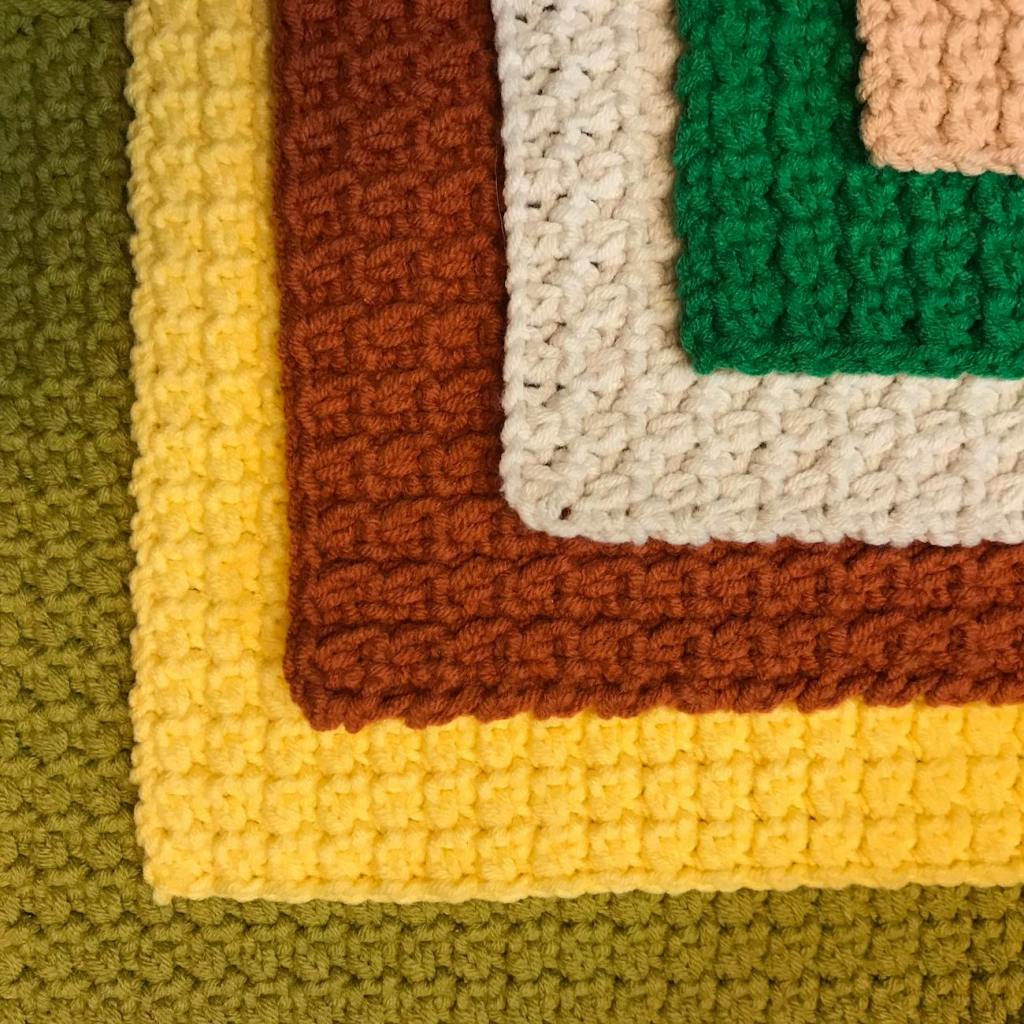
A few months ago, I picked up a crochet hook for the first time. Not because I needed scarves or blankets—but because I wanted a hobby that forced me to slow down and work with my hands instead of dashboards. I expected yarn and relaxation. I didn’t expect a masterclass in analytical thinking.
As it turns out, crochet patterns and data models have more in common than most professionals in Business Intelligence realize.
Patterns Are Just Queries in Disguise
When you first look at a crochet pattern, it reads like nonsense:
ch 3, dc 5, sk st, rep to end
To a beginner, that’s cryptic shorthand. To an experienced crocheter, it’s a structured instruction set—precise, efficient, and optimized for execution. Sound familiar? It should. This is exactly what SQL, DAX, or any analytical query language looks like to a non-analyst.
Both require:
- Understanding syntax
- Recognizing structure
- Translating symbols into action
In BI, a dataset is raw yarn. A query is the pattern. The dashboard is the finished product.
If you misread the pattern, the scarf twists. If you misread the query logic, the numbers lie.
Reading Ahead Matters More Than Following Steps
New crocheters often focus stitch-by-stitch. Experts scan the whole pattern first.
Why? Because patterns have logic arcs:
- Setup rows
- Repeat blocks
- Structural transitions
- Edge finishing
This is identical to analyzing a dataset. Strong analysts don’t just execute steps—they preview the structure:
- What is the grain of the data?
- Where are joins happening?
- What assumptions exist?
- What repeats?
When analysts skip that preview phase, they build dashboards that technically run—but strategically mislead.
Crochet taught me something important: execution without structural comprehension is just busywork.
Error Detection Is a Core Skill
In crochet, mistakes propagate.
Miss one stitch early, and ten rows later your blanket curves like a cresissant. The only solution? Frog it (yes, that’s the real term)—rip back rows until you find the mistake.
Data analysis works the same way:
- One incorrect join
- One duplicated record
- One misplaced filter
…and suddenly your executive report tells a story that never happened.
Experienced crocheters constantly audit their stitches as they go. The best analysts do the same with their logic.
Not because they expect mistakes.
Because they understand systems.
Pattern Literacy Is More Valuable Than Tool Mastery
You can own the best crochet hooks on earth and still produce chaos if you can’t interpret a pattern.
Similarly, knowing every feature in a BI tool doesn’t make someone an analyst. Pattern literacy does.
Pattern literacy means:
- Seeing relationships
- Anticipating outcomes
- Recognizing anomalies
- Understanding structure
Tools change. Platforms evolve. Syntax updates.
Pattern recognition is the durable skill.
Repetition Builds Intuition
Most crochet patterns rely on repeats:
Row 3–14: repeat row 2
At first, you count every stitch. Eventually, your hands just know.
In analytics, repetition builds the same intuition. After enough projects, you start spotting:
- suspiciously clean datasets
- impossible trends
- missing context
- stakeholder bias
You stop just running analyses and start reading signals.
That’s when analysts become strategic partners instead of report generators.
The Real Lesson: Analysis Is a Craft
We often frame data work as purely technical. But crochet reminded me that analysis is closer to craftsmanship than computation.
Both require:
- patience
- pattern recognition
- precision
- iterative correction
- and respect for structure
The best analysts aren’t just logical thinkers. They’re pattern artisans.
Final Thought
Learning crochet didn’t make me better with yarn. It made me better with ambiguity.
Because whether you’re holding a hook or writing a query, the real question is the same:
Can you read the pattern behind what you see?
If you can, you won’t just produce results.
You’ll understand them.
 Laura Learns Data
Leave a comment